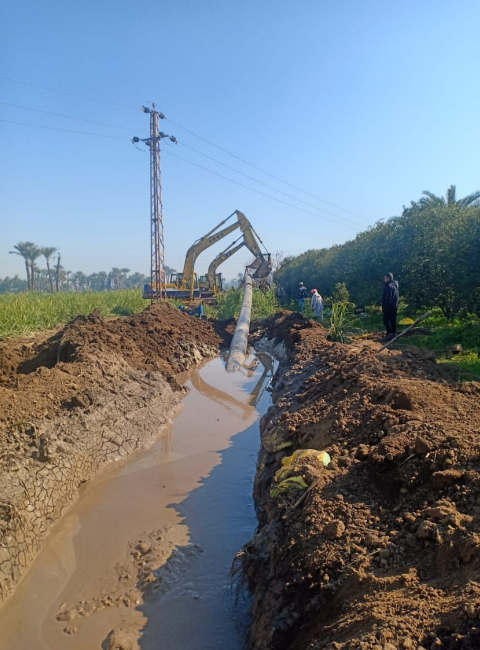
Ditch Witch JT 100
Midi rig, 100k lbs pullbackThe workhorse for utility corridors and mid-range road crossings.
CAPABILITY 01 / 06 · Road & highway crossings
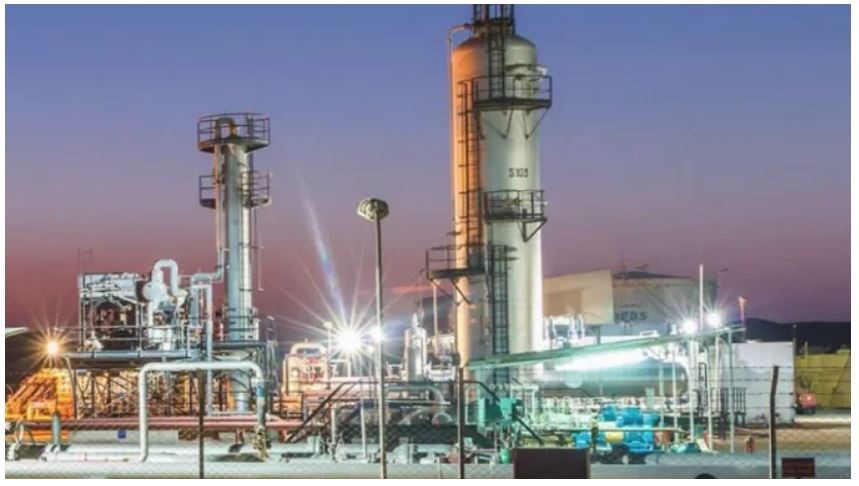
Pipelines, cables and ducts installed beneath live roads and highways with traffic flowing above, to Abu Dhabi Municipality and Department of Transport requirements.
THE SCOPE
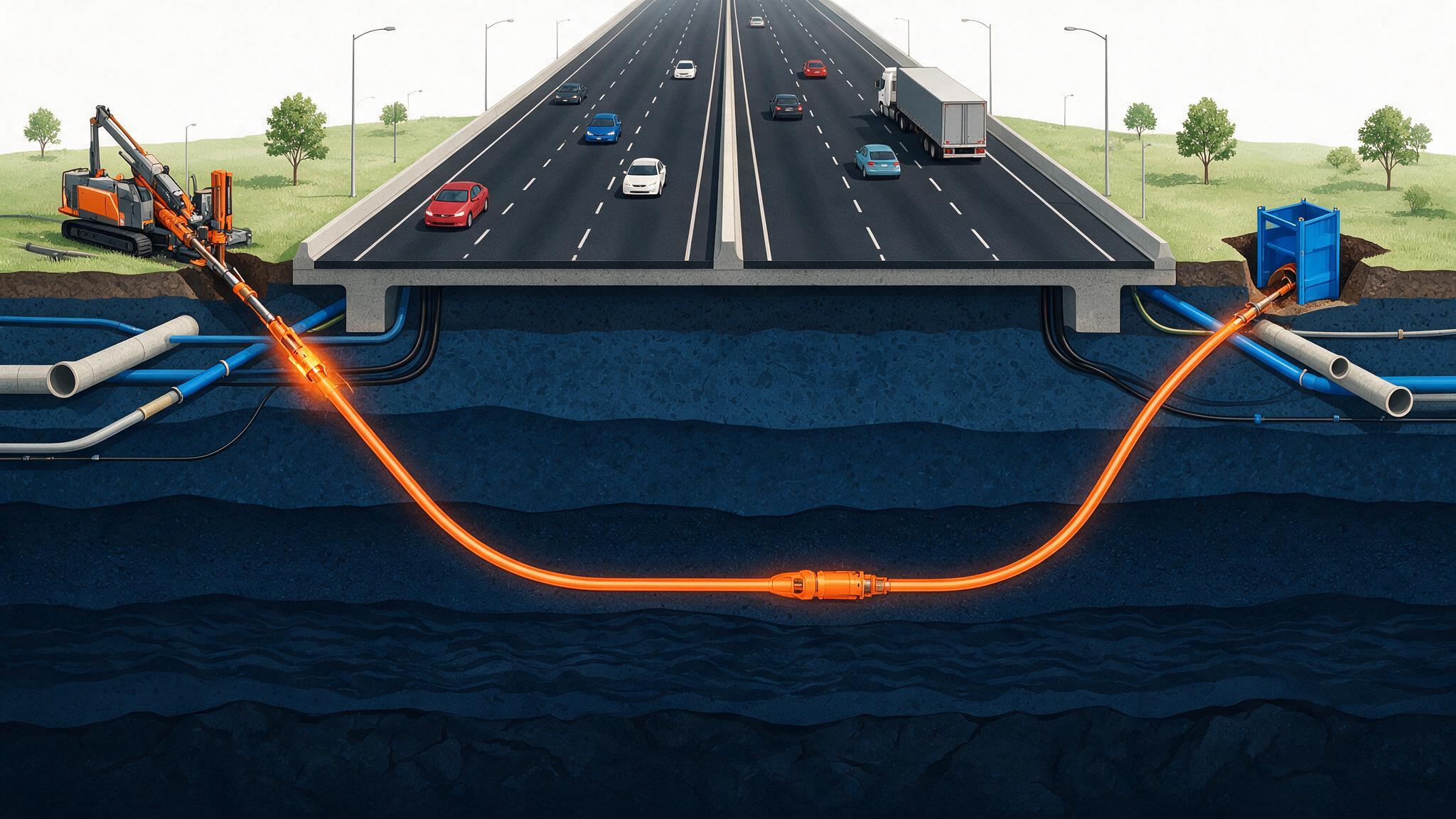
Every road crossing starts with the same constraint: the road stays open. Crossroad installs water, sewerage, power, telecom and oil and gas lines beneath carriageways, interchanges, service roads and truck routes across Abu Dhabi, Al Ain and Al Dhafra without a single lane closure for the bore itself. Launch and reception pits sit on the verge or in the median, so the works stay off the carriageway from pilot bore to pullback.
The crossing is designed to the authority's cover and separation rules, not to the convenience of the rig. We survey existing utilities, set the entry and exit angles to suit the available setback, and pick the rig class for the pull load: a JT 60 for service crossings under a two-lane road, a JT 100 for utility corridors and dual carriageways, the HK 250T when the bundle is large or the crossing is long. Every bore is tracked and recorded so the as-built profile is handed over with the NOC close-out.
WHAT WE DELIVER
HOW IT RUNS
Utility detection, trial pits where required, and a bore profile designed to authority cover, submitted with the method statement.
A steered pilot hole follows the design curve beneath the road, tracked from the surface at every rod.
Staged reaming to 1.5 times pipe diameter, then the welded string is pulled back in one operation.
Pit reinstatement, pressure or mandrel test, as-built profile and tracking log issued.
See the full four-stage bore animated on the home page, or size your own crossing with the HDD tools.
IRON ON THE JOB
The workhorse for utility corridors and mid-range road crossings.

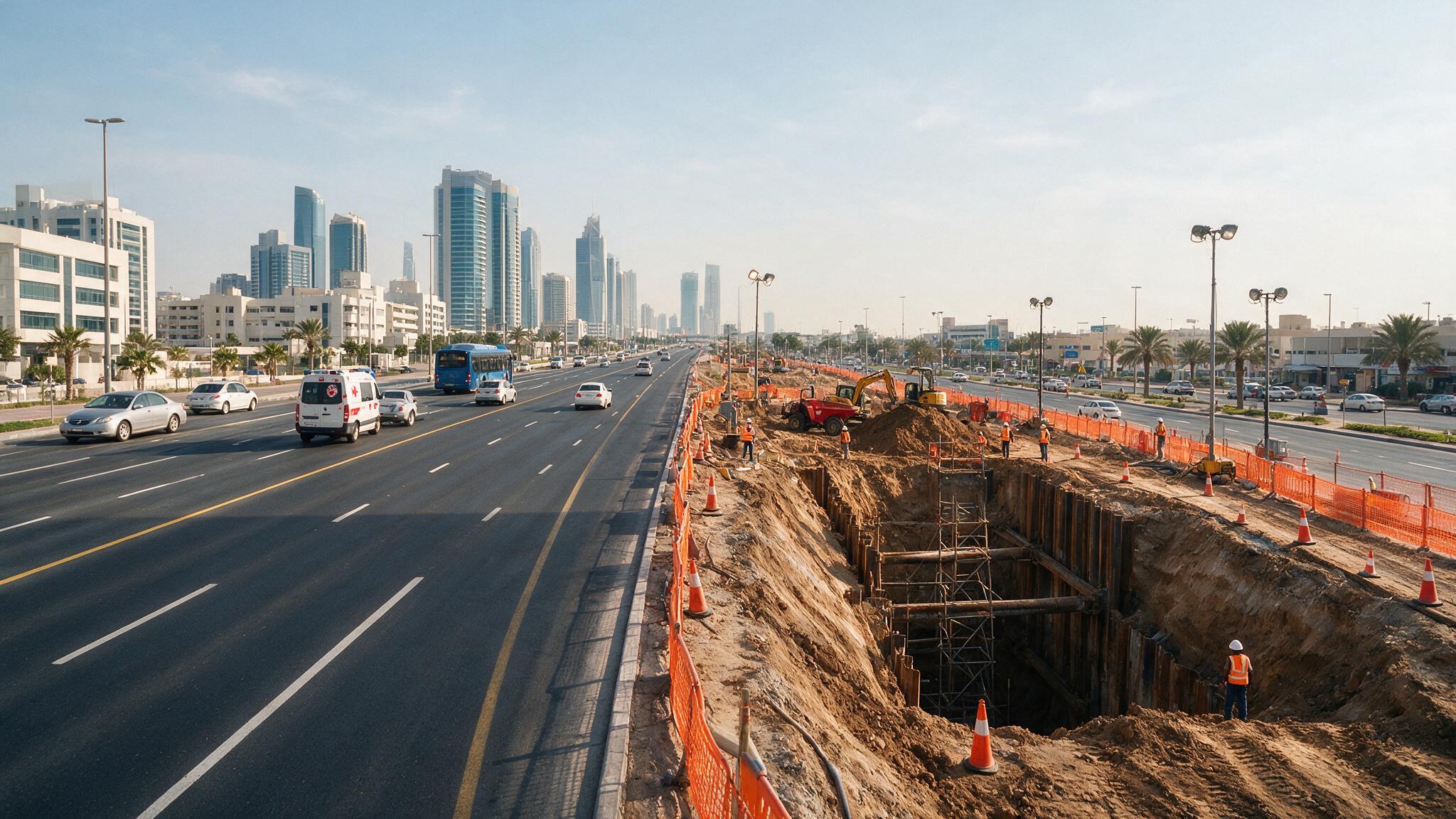
Compact footprint for tight urban launch pits and service crossings.

Real-time drill head location with beacon transmitters on every bore.
ON RECORD
STRAIGHT ANSWERS
Engineers answer every enquiry. If your question is not here, send it over.
Not for the bore. The rig, pits and pipe string sit off the carriageway. Short traffic management is only needed if a pit must be dug in the median or a shoulder, and that is agreed in the traffic plan before we mobilise.
Deep enough to satisfy the authority minimum cover and clear every existing utility with the required separation, typically 3 to 8 m below the pavement. The bore designer on our tools page gives an indicative profile.
We prepare the HDD method statement, bore profile and tracking plan for the NOC package and coordinate with ADM, DoT, ADDC, ADSSC, Etisalat and du as the crossing requires. The main contractor normally remains the NOC applicant.
READY WHEN YOU ARE
Send the location, length and pipe spec. You will hear back from an engineer, not a call centre.